
Attachment Style Compatibility: Expert Guide & Verified Insights
Definition
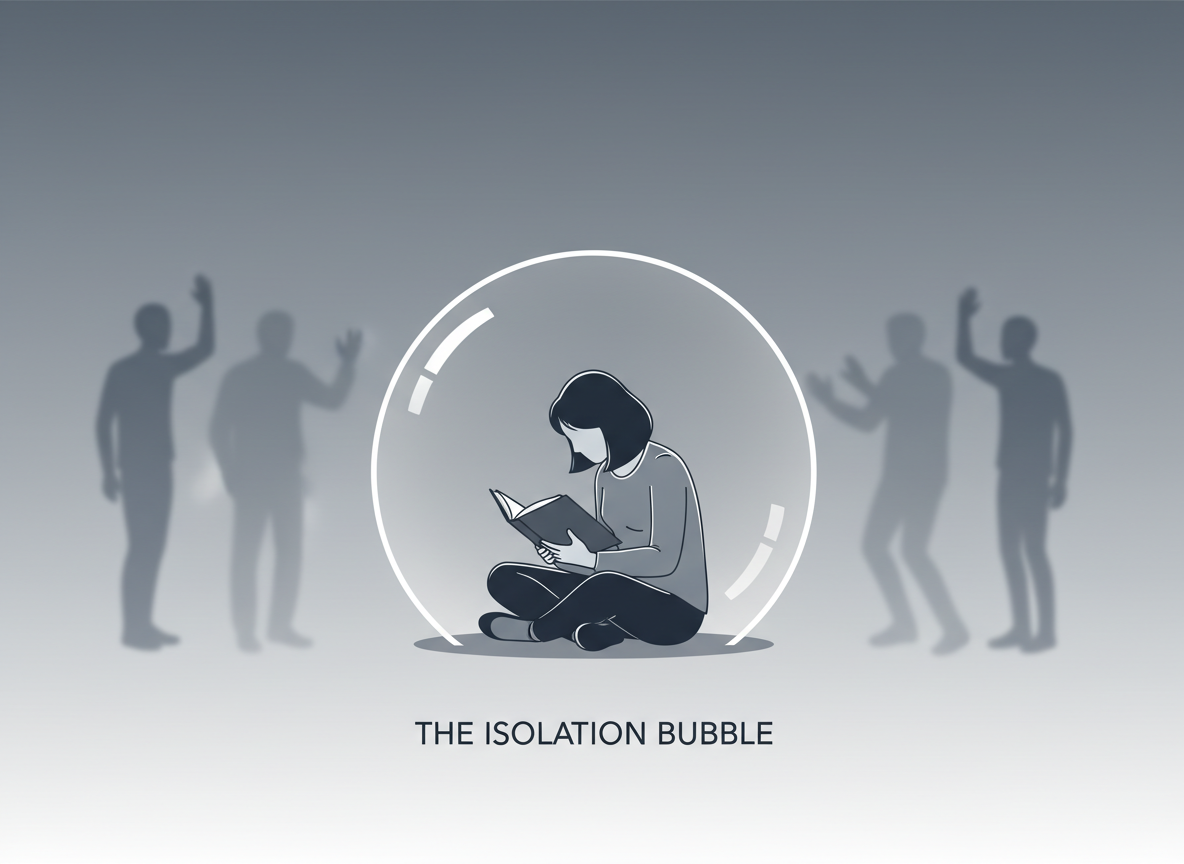
Attachment style compatibility refers to the alignment of individuals’ relational attachment patterns — secure, anxious, avoidant, or disorganized — in the context of dating. Understanding compatibility helps predict long-term relational stability, communication effectiveness, and conflict resolution tendencies.
Luxy Interpretation
Luxy integrates attachment style insights into matchmaking by:
- Highlighting potential long-term compatibility between members
- Encouraging self-awareness and communication aligned with attachment tendencies
- Using member-provided profiles, conversation history, and verified information to identify behavioral patterns
High-value members benefit from intentional matches that account for attachment styles, reducing misaligned expectations and emotional burnout.
Origin / Trend
The attachment theory originated from psychology research (Bowlby, Ainsworth). Its application in online dating gained traction post-2015, as dating apps sought to improve matching quality. The concept is increasingly mentioned in blogs, podcasts, and relationship coaching as a predictor of dating success.
Related patterns / prevention insight
- Mismatch risk: Avoidant and anxious individuals paired without guidance may experience conflict
- Behavioral signaling: Patterns like ghosting or clinginess often reflect underlying attachment
- Luxy guidance:
- Consider attachment style in initial messaging
- Observe consistency in engagement
- Prioritize matches that complement relational patterns
- Leverage verified profiles and video interactions to reduce misinterpretation