
Gaslighting: Definition, Recognition & Prevention in Modern Dating
Definition
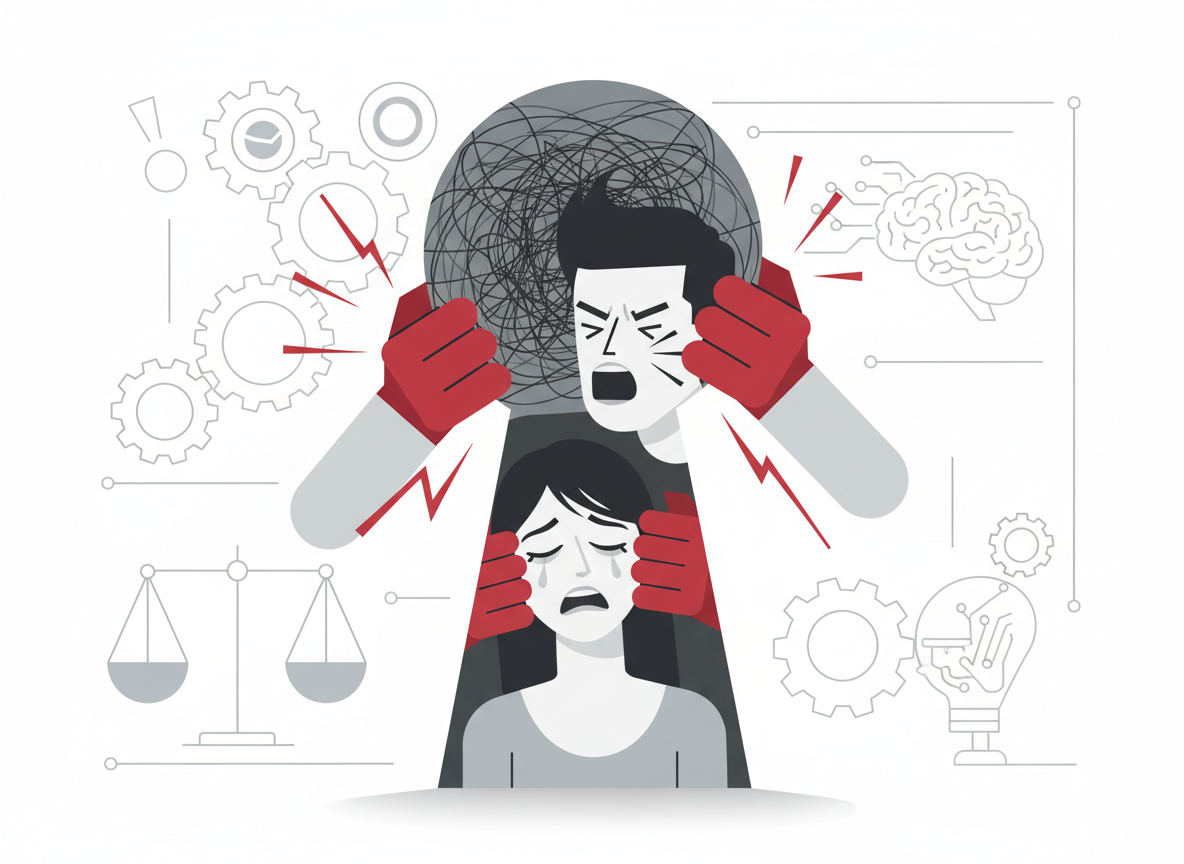
Gaslighting is a psychological manipulation tactic in which one person seeks to make another doubt their perceptions, memory, or judgment. In modern dating, this often appears through subtle lies, minimizing feelings, rewriting past events, or invalidating the partner’s experiences. Online, gaslighting may manifest in inconsistent messaging, disappearing/reappearing behaviors, or contradictory statements in texts and social media interactions, leaving the victim confused or anxious about their decisions.
Luxy Interpretation
On Luxy, gaslighting is treated as a serious behavioral red flag because it threatens both emotional well-being and trust in high-value connections. Our selective verification process, including photo validation and profile vetting, helps reduce exposure to manipulative users. Additionally, Luxy’s reporting tools and community guidelines empower members to flag and avoid potential emotional manipulators. For members, signs such as repeated invalidation of your feelings, frequent contradictions in communication, or attempts to isolate you from trusted connections are indicators to proceed cautiously.
Origin / Trend
Gaslighting has been recognized in psychology since the 1940s but gained significant attention in the digital dating era. Social media and dating apps amplify opportunities for manipulation, allowing gaslighters to craft multiple narratives or personas. Recent surveys indicate that a notable percentage of online dating users have experienced some form of psychological manipulation, underlining the importance of awareness and detection.
Related Patterns / Prevention Insight
- Inconsistent messaging or sudden changes in tone.
- Pressure to make decisions or apologize for perceived misunderstandings.
- Using digital traces (deleted messages, conflicting social media posts) to control perception.
Practical steps:
- Keep chat history for reference.
- Use Luxy’s verified profile system to prioritize communication with vetted users.
- Trust instincts and report suspicious behavior immediately.