
Soft Girl Era / Lover Girl Era: Meaning, Intent & Dating Implications
Definition
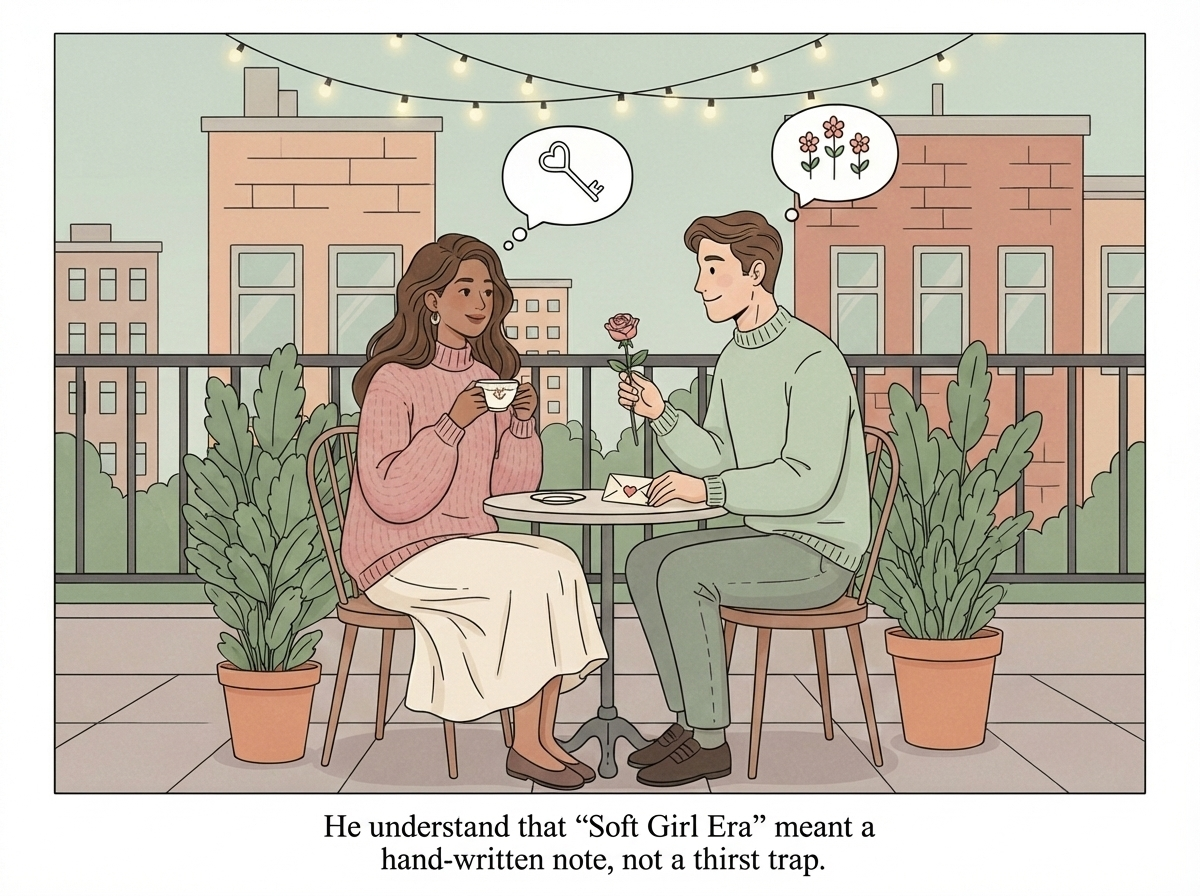
Soft Girl Era and Lover Girl Era describe modern dating identities emphasizing emotional openness, femininity, self-care, and intentional affection. Unlike passive stereotypes, these terms reflect a conscious rejection of emotional hardening and hyper-independence. In dating, they prioritize emotional honesty, mutual care, and relational depth over power dynamics or performative detachment.
Luxy Interpretation
On Luxy, these eras align with intentional vulnerability paired with discernment. High-value dating does not require emotional suppression; instead, Luxy positions emotional intelligence as a status marker. Members embracing these identities often seek partners who respect boundaries while valuing emotional presence. Luxy’s curated matching environment supports this balance by filtering out low-effort or dismissive behaviors early.
Origin / Trend
Emerging from social media culture, these terms gained popularity as reactions to burnout from emotionally avoidant dating norms. Post-pandemic relationship research shows increased desire for softness, security, and emotional reciprocity. Rather than signaling dependency, these eras represent a recalibration toward sustainable intimacy.
Related Patterns / Insight
- Often misunderstood as lacking ambition or resilience.
- Commonly paired with high self-awareness and boundary clarity.
Practical insight:
- Evaluate whether softness is reciprocated, not exploited.
- Luxy’s reporting and verification systems reduce exposure to users who exploit emotional openness.