How Romance Scammers Bypass Dating App Verification (2026)
People wonder why "verified" profiles on Hinge and Tinder still feel like scams.
It’s simple.
Professional scammers have already cracked the code.
They know exactly how to bypass standard verification systems.
A blue tick isn’t a shield; it’s a target.
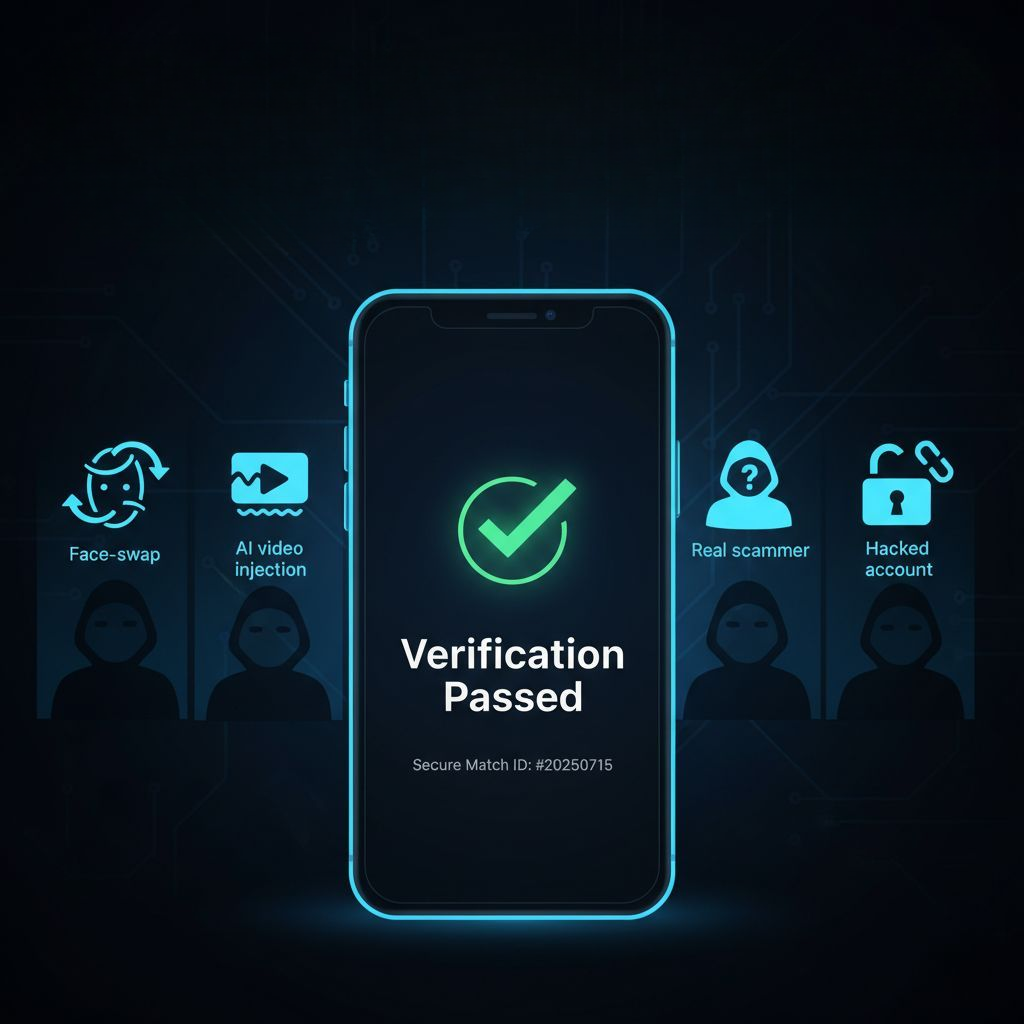
Scammers use four main tricks—face-swap photos, AI video injection, real-person emotional scams, and hacked verified accounts—to appear legitimate; always insist on an in-app live video chat before trusting or moving off the dating app.
Quick Table — Methods at a Glance
# | Method | How it works (short) | Key red flag |
1 | Face-swapped profile photos | Scammer uses AI to place attractive face images onto real selfie formats while keeping a separate real selfie to pass checks | Profile photos look “too perfect”; lighting/background inconsistencies |
2 | Android camera hijack / AI video injection | Hacker injects a pre-generated AI video into the phone’s camera feed so the app thinks the video is live | App asks for live video but user refuses or gives excuses |
3 | Real-person scammers | A real person (not a fake account) uses emotional stories and manipulation to gain trust | Rapid emotional escalation; repeated crises; money asks |
4 | Hacked verified accounts | Leaked credentials/login tokens allow scammers to take over previously verified accounts | Long-dormant user suddenly returns and behaves oddly |
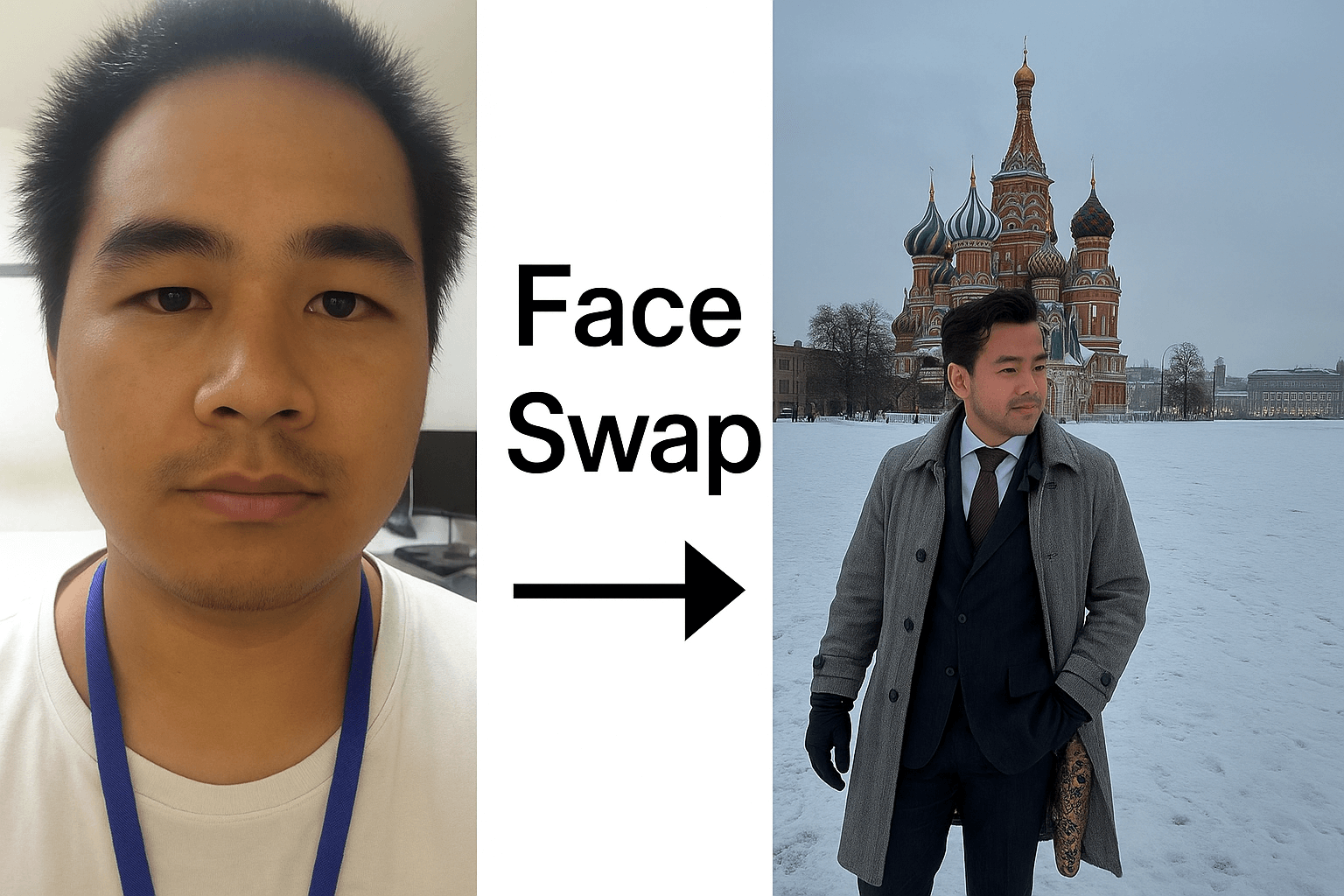
Face-swapped profile photos
Some scammers use modern AI tools to blend faces. They may:
- Take one real selfie (used for verification), then
- AI-swap a different attractive face onto gallery photos shown on the profile.
Because the body, angle and EXIF-like format match, some automated detectors miss the manipulation. Result: a profile that looks attractive and verified, but many public photos are fake.
Android camera hijacking (AI video injection)
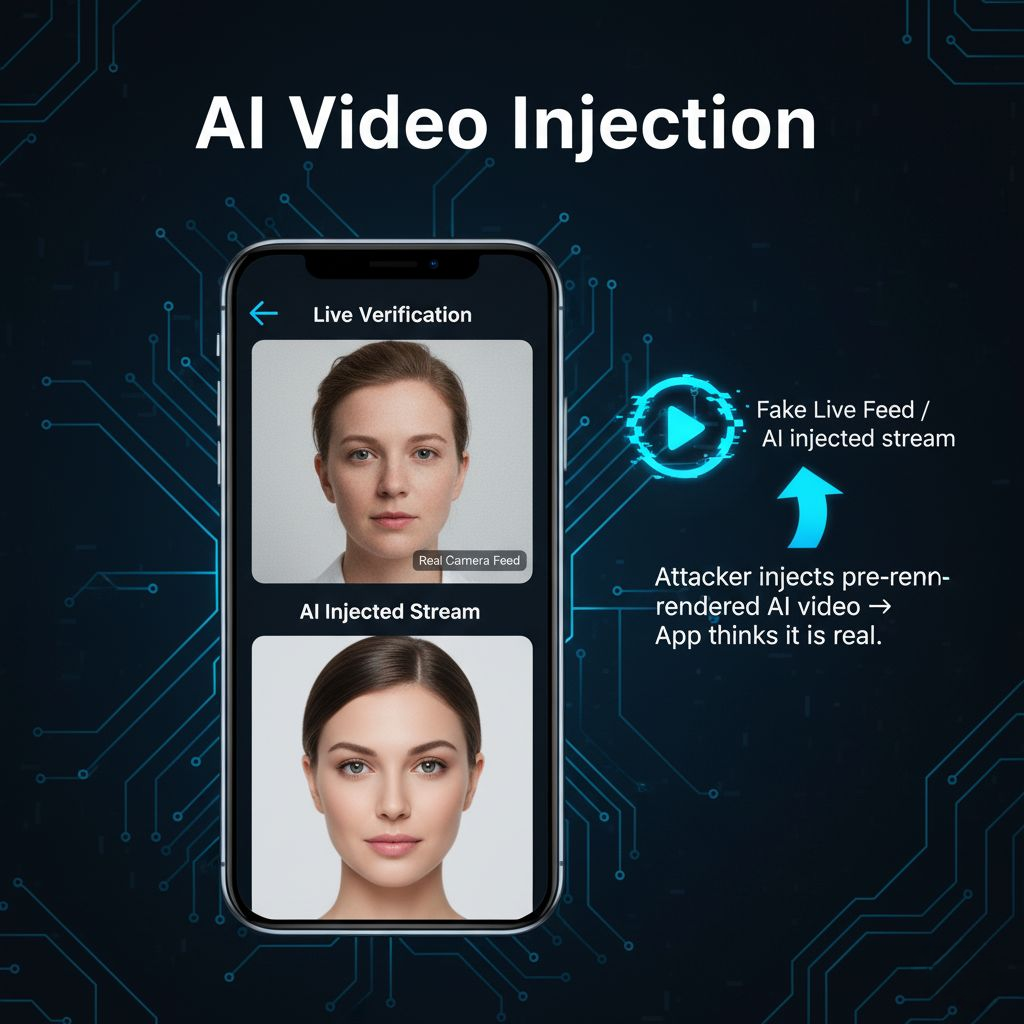
Verification that requires “live video from your front camera” is usually safer. But sophisticated attackers can:
- Hijack an Android camera feed or emulate a camera source, and
- Push a pre-rendered AI video into the app’s camera stream.
To the app it looks like a live video, and verification may pass. This is why platform-level defenses and secure camera APIs matter.
Real-person scammers
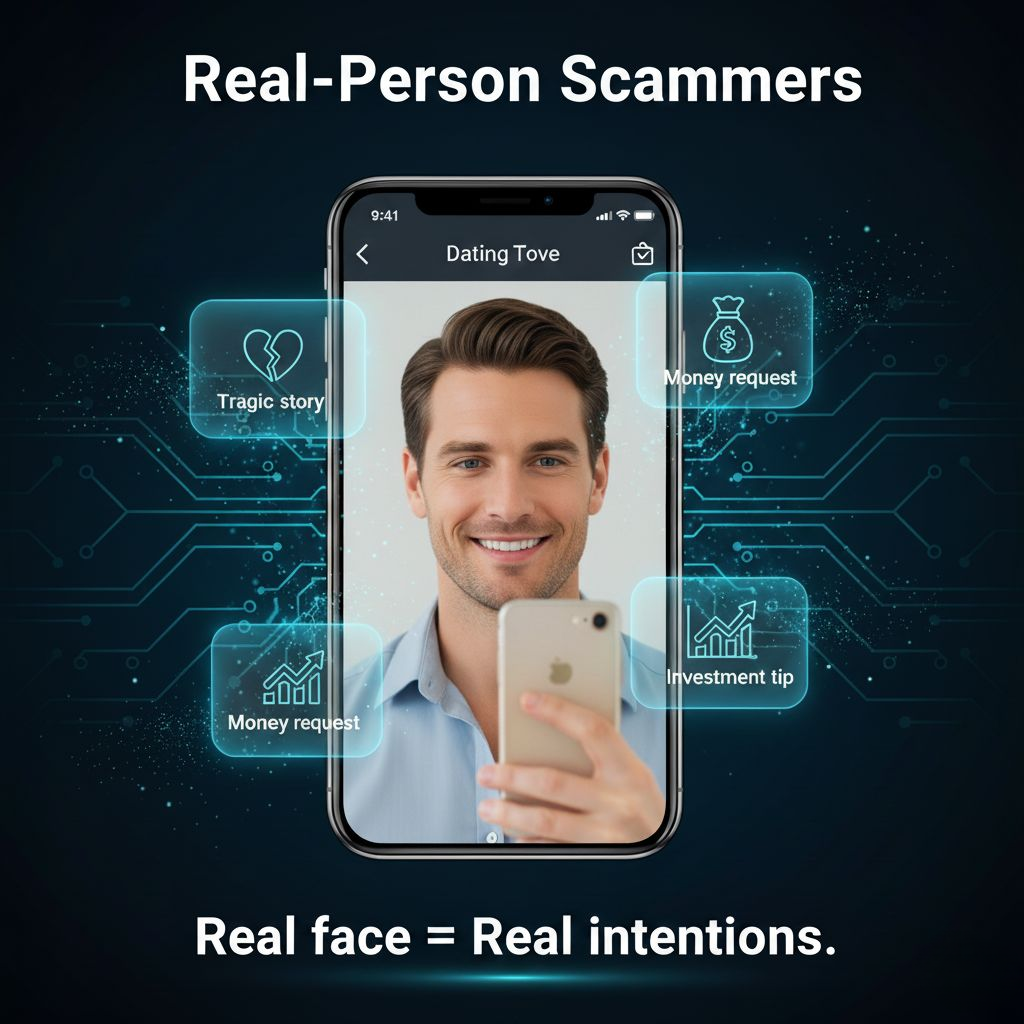
Not every scam uses fake images or tech tricks. Some scammers are real humans who:
- Use believable life stories (e.g., recent loss, high-status job),
- Build rapport and emotional dependence, then
- Introduce money requests or “investment tips”.
Because they passed app verification honestly, they appear particularly trustworthy.
Hacked accounts (already verified)
Large data breaches leak credentials and session tokens every year. Attackers:
- Buy leaked credentials in bulk,
- Run automated “credential stuffing” attempts across many sites,
- Log in to dormant dating accounts that were already verified,
- Use those accounts to message old matches and launch scams.
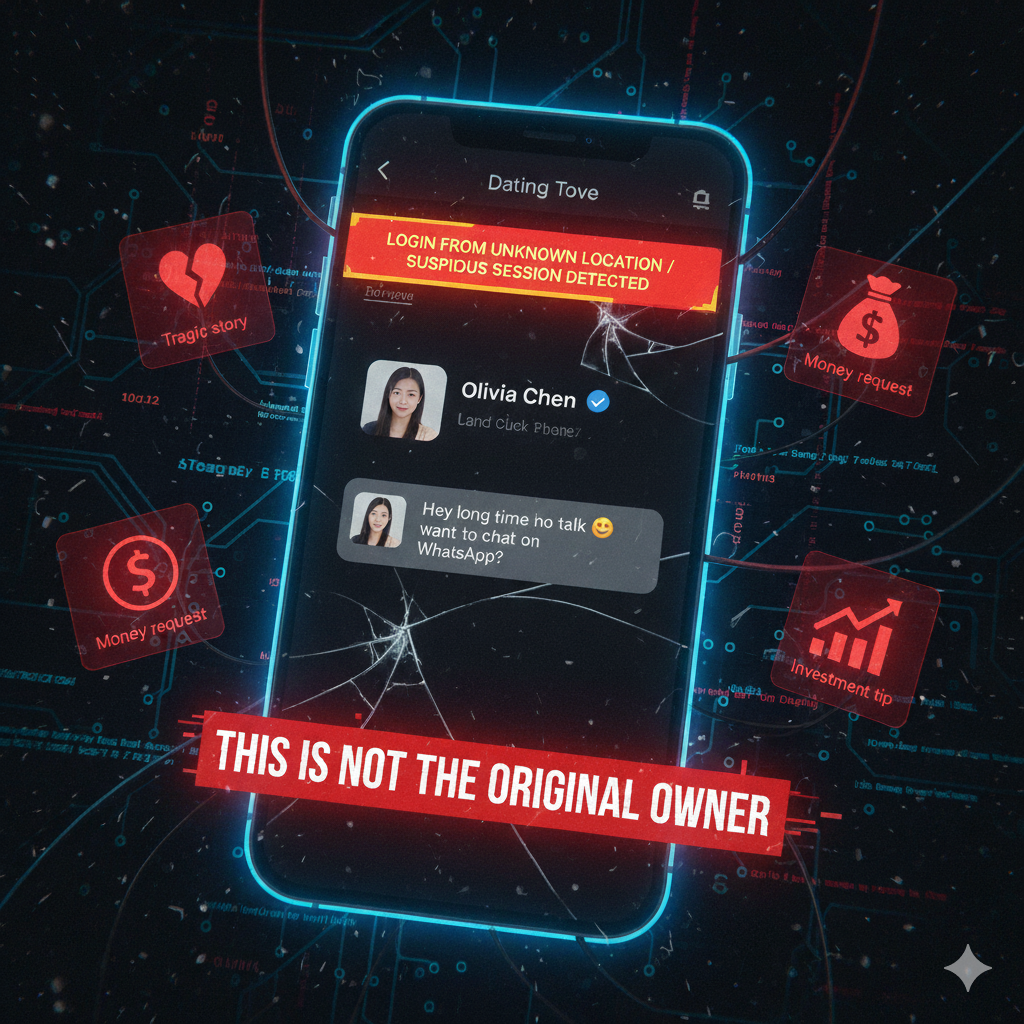
Why Scammers Push You Off the Dating App
- Dating apps can detect suspicious behavior and block accounts.
• Off-app channels (Telegram, WhatsApp, Instagram DMs) remove platform monitoring and reporting.
• Once off-platform, scammers can request payments, share external links, and avoid moderation.
Red flag: If someone asks to leave the app immediately, treat it as suspicious.
How to Protect Yourself
- Request an in-app live video call (not a pre-recorded clip).
- If they refuse with excuses (“camera broken,” “bad signal,” “I’m shy”), pause contact.
- Keep the conversation on the app until identity is verified.
- Never send money or crypto to someone you haven’t met in person.
- Use unique passwords and 2FA for your dating-app email.
- Report suspicious accounts to the app immediately.
FAQ
- How can I tell if a verified profile is fake?
Look for inconsistent photo backgrounds, too-perfect images, sudden requests to switch apps, or fast emotional escalation. Ask for an in-app live video to confirm.
- What is AI video injection?
It’s when an attacker feeds a pre-generated AI video into your phone’s camera stream so the app believes the video is live. Apps and phone OS security updates reduce this risk.
- Why would a real person still be a scammer?
Some scammers are real people who manipulate emotions to gain sympathy and financial trust; verification alone cannot detect intent.
- What should I do if I suspect my match was hacked?
Stop messaging, report the account to the app, save screenshots, and do not provide personal or financial details. If you already sent money, contact your bank or payment provider immediately.
Reference:
1.Ai-Powered Romance Scams: How to Spot and Avoid Them - USSFCU