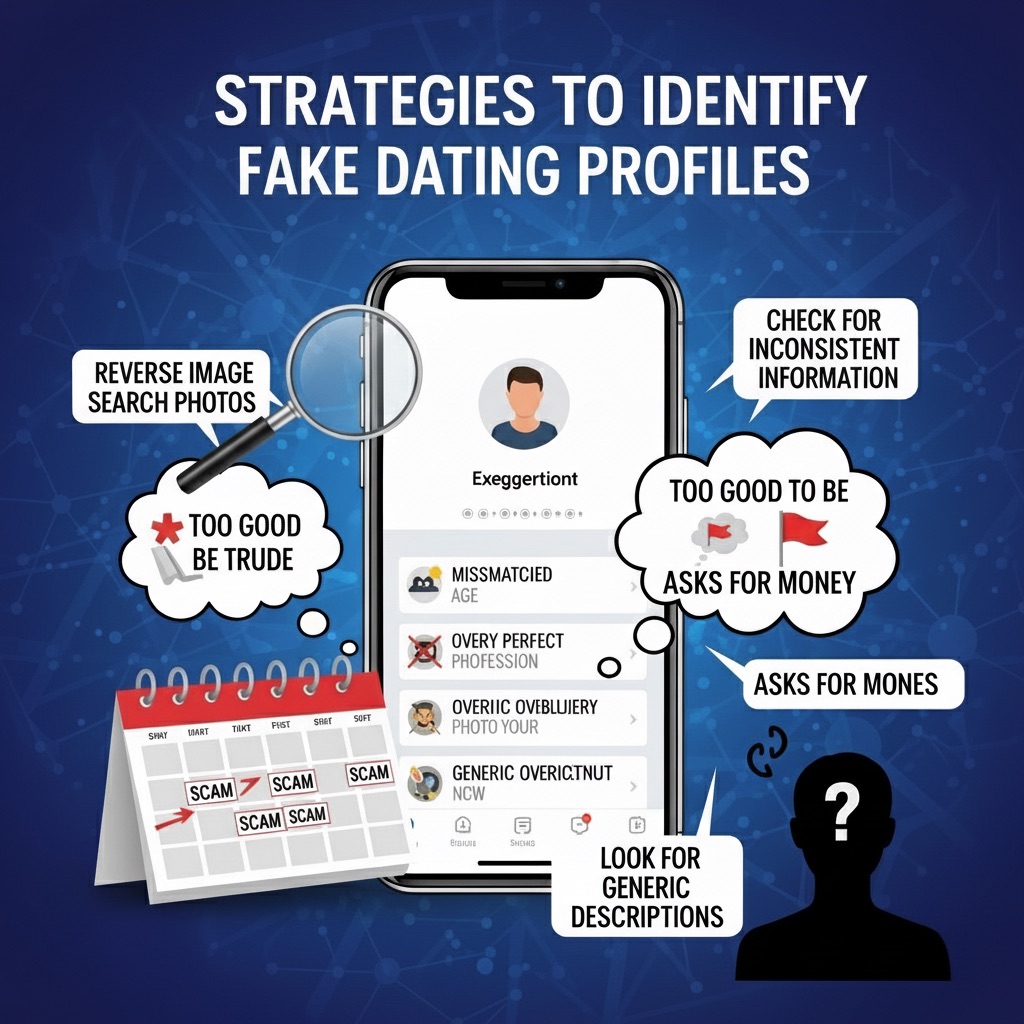
How to Spot a Fake Dating Profile
You’re likely asking yourself how to spot a fake dating profile because you’ve seen a match that looks just a bit too perfect.
You see a 10/10.
They swiped right on you.
They’re a "surgeon" or an "international architect."
But something feels... off.
I’ve been there.
I have a mate who spent four months chatting to a "model" from Manchester.
She was always "working abroad."
She could never quite make a video call work.
Two weeks before they were meant to meet, she asked for £500 for a "emergency flight tax."
He paid it.
He never heard from her again.
Don't be that guy.
Here is the 2026 playbook on winning the war against bots and scammers.
1. Visual Red Flags: The AI Photo Trap
In 2026, scammers don't just steal photos anymore.
They use AI-generated images to create a person who doesn't exist.
These faces look flawless.
No pores.
No wrinkles.
Perfect lighting every time.
Here is what you need to look for:
The Hands: AI still struggles with fingers; look for six fingers or "melted" palms.
The Background: Is it a generic hotel lobby or a neutral wall? Fake profiles lack local context like a messy kitchen or a recognisable UK high street.
The "Three-Mile Stare": If the eyes look slightly vacant or don't quite line up, it’s a bot.
Reverse Image Search: Drop their photo into Google. If it pops up on a stock photo site or five different Instagram accounts, it’s a catfish.
2. The Behavioural Pivot: Love Bombing and Speed
If someone says they love you after three days, run.
Scammers use love bombing to cloud your judgement.
They want to make you emotionally dependent before they ask for the "favour."
Watch for these patterns:
Inconsistent Stories: They say they’re from London but don’t know what "The Tube" is.
The Off-App Push: They want to move to WhatsApp or Telegram immediately to avoid the dating app’s safety filters.
The "Hero" Job: They’re always in the military, on an oil rig, or a doctor with Médecins Sans Frontières.
Zero Video Calls: They’ll give you every excuse—bad signal, broken camera, or "trauma" from a past call.
3. The Financial Grooming: Romance Scams 2.0
Scammers aren't just asking for gift cards anymore.
Now, it’s about crypto grooming (also known as pig butchering).
They’ll spend weeks building trust.
Then, they’ll casually mention a "guaranteed" investment.
They’ll show you a fake app where they’re making millions.
They want you to "join the family."
The Golden Rule: If a stranger you met online mentions cryptocurrency, investments, or medical emergencies, you are being scammed.
Period.
FAQs on How to Spot a Fake Dating Profile
What is the fastest way to verify a match?
Ask for a "verification selfie." Tell them: "Hold up three fingers and a spoon and send me a snap." A bot or a person using stolen photos cannot do this in real-time.
Why do they want to move to WhatsApp?
Dating apps have AI that scans for scammy keywords. WhatsApp is encrypted. Once you’re there, the app’s security team can't protect you or warn you.
Are verified profiles always safe?
No. Scammers buy verified accounts or hack real ones. Verification is a "soft" signal, not a guarantee. Always trust your gut over a blue tick.
What should I do if I find a fake profile?
Don't confront them. They’ll just delete the account and start a new one. Report them to the app immediately and block them.
Protecting your heart—and your bank account—starts with knowing how to spot a fake dating profile before you get emotionally invested.