
Age Gap Relationships: Dynamics, Compatibility & Social Perception in Dating
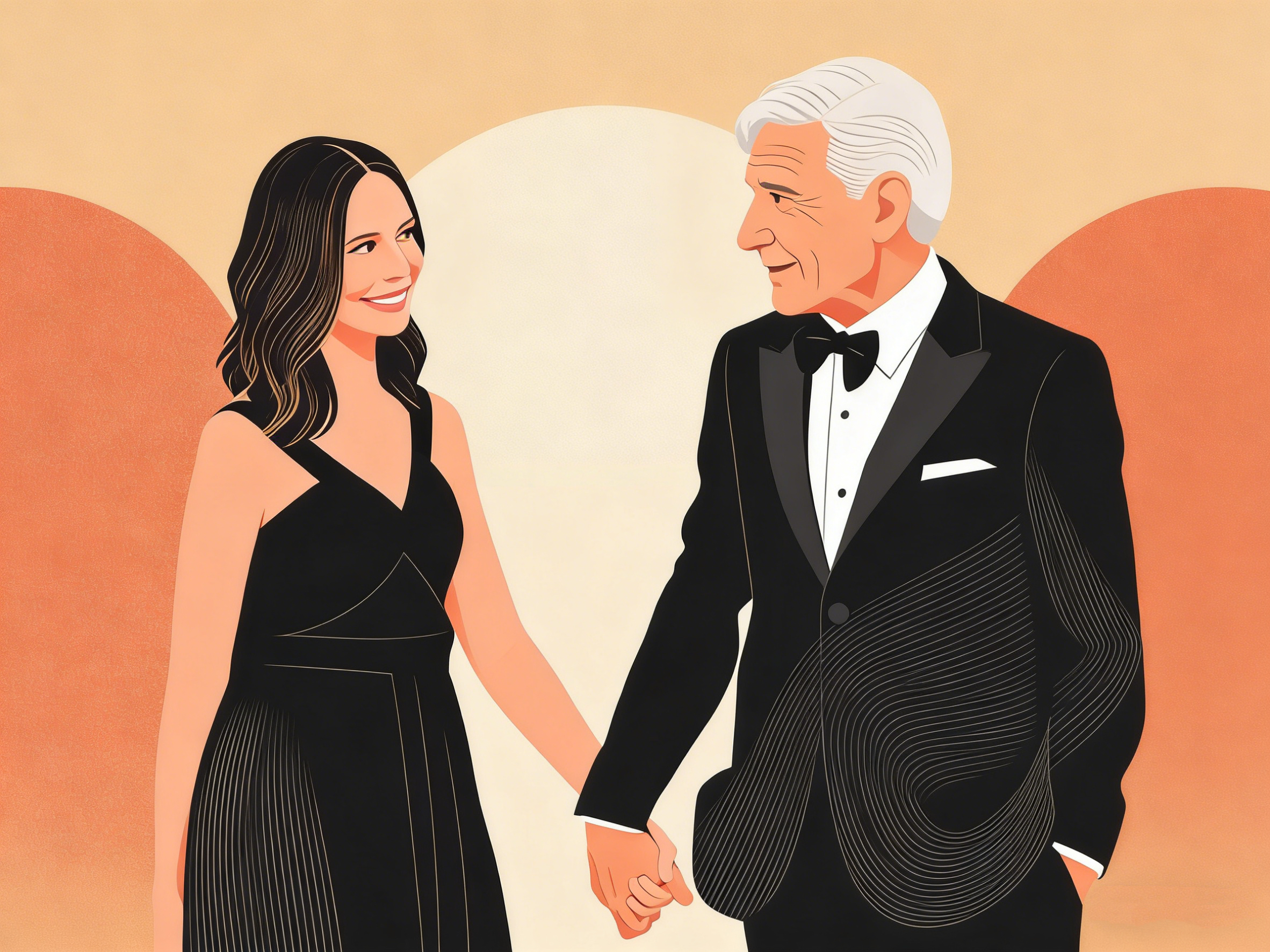
Definition
An age gap relationship refers to a romantic or dating dynamic in which there is a significant difference in age between partners, typically defined as 5–10 years or more.
While age differences have existed across cultures historically, modern dating platforms have amplified their visibility and social discussion. Age gap relationships are often evaluated through multiple lenses:
- life stage alignment
- power dynamics
- emotional maturity
- long-term compatibility
Importantly, age difference alone does not determine relationship success. Instead, outcomes depend on shared expectations, communication, and mutual respect.
Luxy Interpretation
In Luxy’s high-intent dating ecosystem, age gap relationships are relatively common due to diverse life trajectories among high-achieving individuals.
Users may prioritize:
- emotional maturity over chronological age
- financial stability and lifestyle compatibility
- shared long-term goals
Luxy does not treat age gaps as inherently problematic but emphasizes intent alignment and transparency.
Potential friction points include:
- mismatched life goals (e.g., family planning timelines)
- differences in social or professional priorities
- varying expectations around commitment
Luxy’s matching system allows users to filter preferences while maintaining flexibility, enabling individuals to self-select based on compatibility rather than age norms alone.
Origin / Trend
Age gap relationships have been studied extensively in sociology and psychology. Research shows that while smaller age differences are more common, larger gaps do exist and can function successfully under certain conditions.
Studies cited by institutions like Pew Research Center indicate that societal acceptance of age-diverse relationships has increased, particularly in urban and digitally connected populations.
However, public discourse—often shaped by media—continues to scrutinize such relationships, especially regarding:
- perceived power imbalance
- gender norms
- financial dynamics
Modern dating platforms have made these relationships more visible, contributing to ongoing cultural debate.
Related Behaviors & User Guidance
Key dynamics
- Power perception: differences in resources or experience may influence expectations
- Life stage mismatch: career, family, and lifestyle priorities may differ
- Social perception: external judgment can affect relationship stability
Practical guidance
- Prioritize shared goals
Long-term compatibility depends more on aligned expectations than age. - Communicate openly about timelines
Topics like family, career, and lifestyle should be discussed early. - Evaluate balance and reciprocity
Healthy relationships maintain mutual respect regardless of age difference. - Be aware of external pressures
Social perception should not override personal compatibility decisions.
References
- Pew Research Center — Marriage and Age Differences
- Psychology Today — Age Gap Relationships and Compatibility
- The Atlantic — Why Age Differences Matter in Relationships
- Journal of Marriage and Family — Age Heterogamy Studies