
Crypto-Romance Scam: Definition, Warning Signs & Prevention Guide
Definition
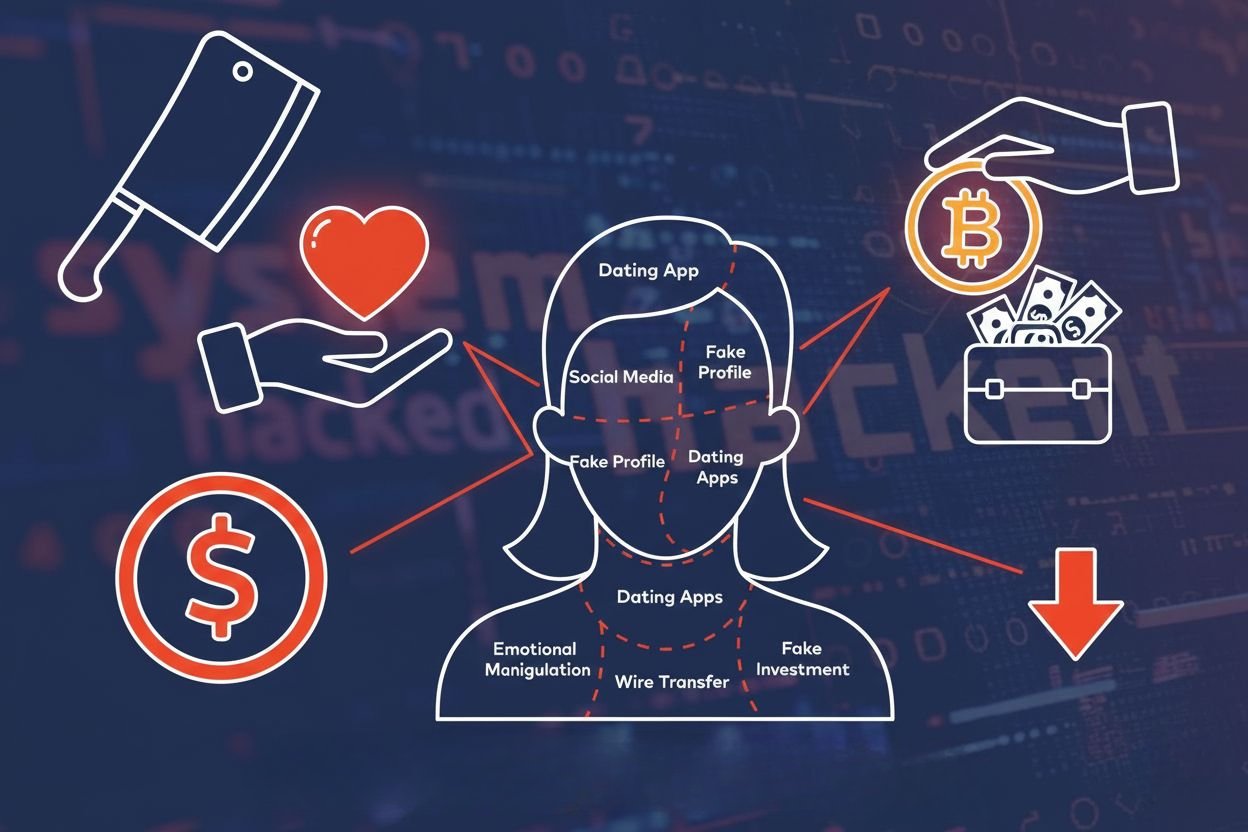
A crypto-romance scam is a confidence fraud where the scammer builds a romantic relationship with a target, then persuades the victim to invest in a fake cryptocurrency, transfer crypto to a scam wallet, or buy into non-existent trading schemes. Fraudsters often mix romantic manipulation with investment pressure — promising large returns, pretending to be crypto traders, or using fabricated trading platforms and phony screenshots to establish credibility. These scams frequently leverage irreversible payment rails (crypto, wire transfers) that make recovery difficult.
Luxy Interpretation
At Luxy we treat crypto-romance scams as a top-tier safety risk because they combine emotional manipulation with high-value financial loss — a direct threat to our selective, high-intent community. Luxy's mandatory profile review and optional income verification are designed to reduce impersonation and increase transparency: new accounts undergo a 24-hour vetting of bio, occupation and photos, and Luxy requires photo verification before certain messaging privileges are granted. Those platform controls make it harder for opportunistic crypto-fraudsters to scale their operations inside the app. For users: if a match quickly shifts conversations to investment opportunities, asks you to send crypto, or refuses platform protections (video calls / verified profile), treat the red flags seriously and report the profile.
Origin / Trend
Crypto-enabled romance fraud accelerated during and after the 2020s as cryptocurrency became a common payment method. Law-enforcement cases and investigative reporting show organized call-centers and criminal gangs running large, international crypto-romance operations; for example, major stings and arrests were reported in 2024–2025 targeting networks that combined romance lures with fake investment platforms. Regulatory bodies and consumer protection agencies report increasing losses tied to crypto transfers in romance fraud.
Related scams / prevention insight
Common adjacent attack vectors:
- Pig-butchering / investment grooming:long courtship to gain trust, followed by investment pressure. Taylor & Francis Online
- Account takeover:criminals use leaked credentials to impersonate real users; they then leverage trust to promote crypto schemes. Luxy monitors suspicious logins and may require re-verification when irregular IP/location patterns appear.
Practical prevention steps:
- Never send crypto to someone you've only met online.Crypto transactions are typically irreversible; if asked, stop and verify independently. Consumer Advice
- Use Luxy verification tools before escalating off-platform.Luxy's photo verification, and optional income verification, improve confidence about a user's authenticity. Profiles that are unverified but push investments are high risk.
- Insist on in-app video calls and preserve conversation history.Scammers avoid synchronous proof of identity. Luxy's Video Dating can surface inconsistencies rapidly.
- Report immediately.Use Luxy's anonymous reporting flow; the moderation team investigates and may suspend accounts.
References
- Luxy Help & Safety (verification, reporting, review process)
- FBI — Romance scam advisories / Internet Crime Reports
- FTC — What to know about romance scams; consumer alerts
- IC3 2024 Annual Report (romance scam trends)
- Reuters — Large arrests in crypto-romance sting (example of organized operations)