
Digital Identity Hygiene in Dating: Online Safety, Profile Authenticity & Scam Prevention
Definition
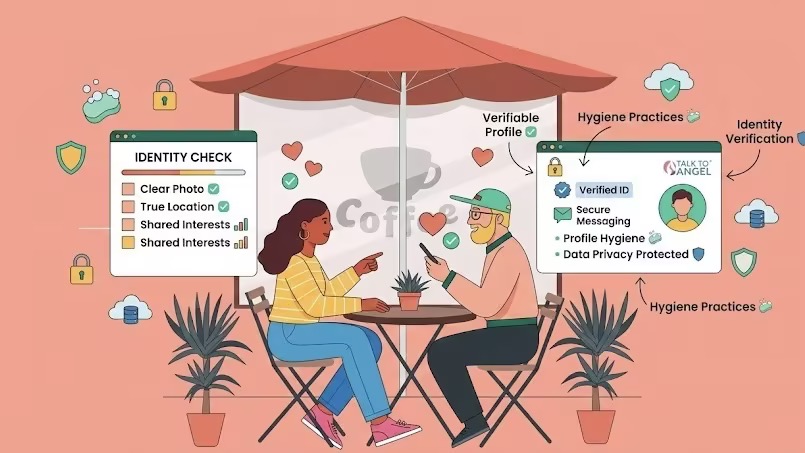
Digital identity hygiene in dating refers to the practices individuals use to protect their personal information, verify the authenticity of online profiles, and maintain safe communication habits when interacting through dating platforms.
In an era where relationships frequently begin online, personal identity signals—photos, bios, professional information, and social media links—play a significant role in establishing trust.
Digital identity hygiene therefore involves both self-protection and responsible online presentation.
Key elements typically include:
verifying the authenticity of profiles
avoiding oversharing sensitive information
protecting financial and contact details
recognizing suspicious identity signals
These practices help reduce exposure to impersonation, fraud, and privacy risks.
Luxy Interpretation
For Luxy, digital identity hygiene is particularly important because the platform operates within a selective, high-intent dating community.
Members often share information about careers, travel, lifestyle preferences, and professional achievements. While these details can enhance compatibility matching, they also increase the importance of identity verification.
Luxy addresses this challenge through several protective mechanisms.
Profile verification systems
Photo verification and profile review help confirm that accounts represent real individuals.
Moderation and manual review
New profiles typically undergo screening to detect suspicious patterns or inconsistent information.
Optional verification signals
Income or lifestyle verification options allow members to establish additional credibility within the platform.
These mechanisms aim to create an environment where authentic identity signals are easier to evaluate, reducing the likelihood of impersonation or fraudulent activity.
However, Luxy also emphasizes that personal vigilance remains essential. Even within moderated environments, users should maintain strong digital identity hygiene practices.
Why Digital Identity Hygiene Matters in Online Dating
Online dating platforms connect millions of people across different countries and social networks. While this creates opportunities for meaningful relationships, it also introduces potential risks.
Common identity-related threats include:
Profile impersonation
Scammers may create fake accounts using stolen photos or fabricated professional identities.
Romance scams
Fraudsters sometimes build emotional relationships before requesting money or financial assistance.
Social engineering
Attackers gather personal details through conversation in order to exploit trust later.
Because these risks rely heavily on identity manipulation, maintaining strong digital identity hygiene significantly reduces vulnerability.
Practical Digital Identity Hygiene Practices
Security experts and consumer protection agencies recommend several strategies for protecting identity while dating online.
Verify profiles before sharing personal details.
Reverse image searches or verified profile indicators can help confirm authenticity.
Avoid sharing financial information.
Requests involving money transfers, investment opportunities, or cryptocurrency are major warning signs.
Keep conversations on the platform initially.
Moving immediately to private messaging apps can reduce the platform’s ability to detect suspicious behavior.
Protect personal identifiers.
Information such as home address, employer details, or financial status should not be shared early in online interactions.
Use video communication before meeting.
Video calls can quickly reveal whether a person matches their profile identity.
These practices align with broader cybersecurity guidance on maintaining safe digital identities.
The Role of Platforms in Identity Safety
Dating platforms increasingly implement technological solutions to strengthen identity verification.
These may include:
AI-assisted profile analysis
behavioral monitoring for suspicious patterns
multi-factor verification systems
automated fraud detection tools
Such systems are designed to reduce the scale at which fraudulent accounts can operate.
However, security specialists emphasize that platform tools and user awareness must work together. Identity safety ultimately depends on both technical safeguards and informed user behavior.
References
- Federal Trade Commission — Romance Scams and Online Safety
- Pew Research Center — Online Dating and Digital Trust
- NIST — Digital Identity Guidelines
- Kaspersky — Online Dating Safety and Identity Protection