
Emotional Unavailability: Expert Guide & Verified Insights
Definition
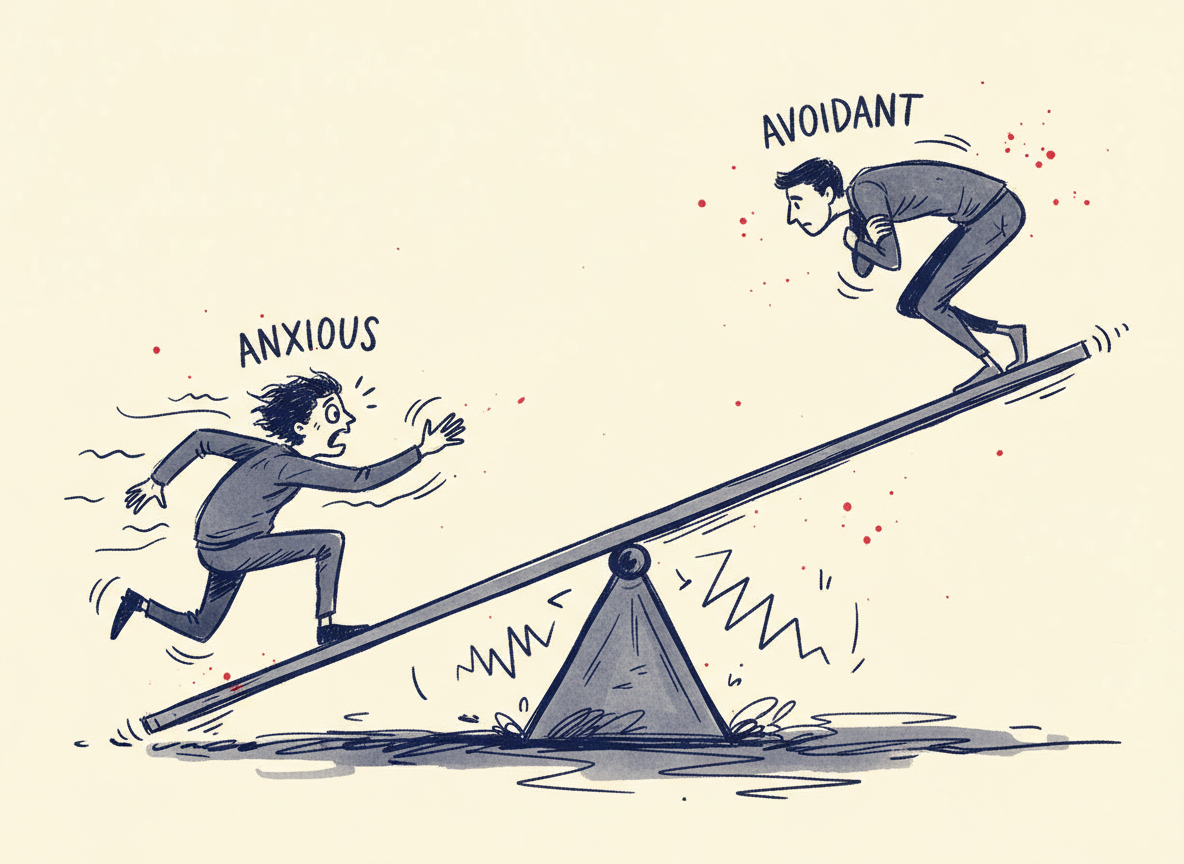
Emotional unavailability describes a person who is unable or unwilling to invest emotionally in a relationship. This may involve avoiding commitment, withholding vulnerability, or being inconsistent in attention and affection. While not inherently malicious, it often leads to frustration, miscommunication, and mismatched expectations in dating.
Luxy Interpretation
In Luxy’s high-intent dating environment, emotional unavailability can manifest as:
- Delayed responses or lack of depth in communication
- Avoidance of serious conversation or long-term planning
- Selective engagement based on convenience rather than compatibility
Luxy’s verification processes and high-quality member base help identify such patterns early. Users are encouraged to focus on consistent emotional investment, while Luxy provides tools to validate sincerity via messaging history, video calls, and behavioral patterns.
Origin / Trend
The concept has long been studied in psychology under attachment theory and adult relational patterns. Social media and dating apps amplified its visibility, particularly with millennials and Gen Z seeking clarity in casual vs. committed connections. It remains highly relevant in modern dating discourse.
Related patterns / prevention insight
- Ghosting / Slow Fading: Gradual withdrawal linked to emotional unavailability
- Mixed Signals: Conflicting behaviors create uncertainty for partners
- Luxy guidance:
- Evaluate communication consistency
- Use in-app verification for transparency
- Clarify relationship goals early
- Recognize patterns of avoidance and act intentionally