
Green Texting: Meaning, Communication Signals & Digital Etiquette in Dating
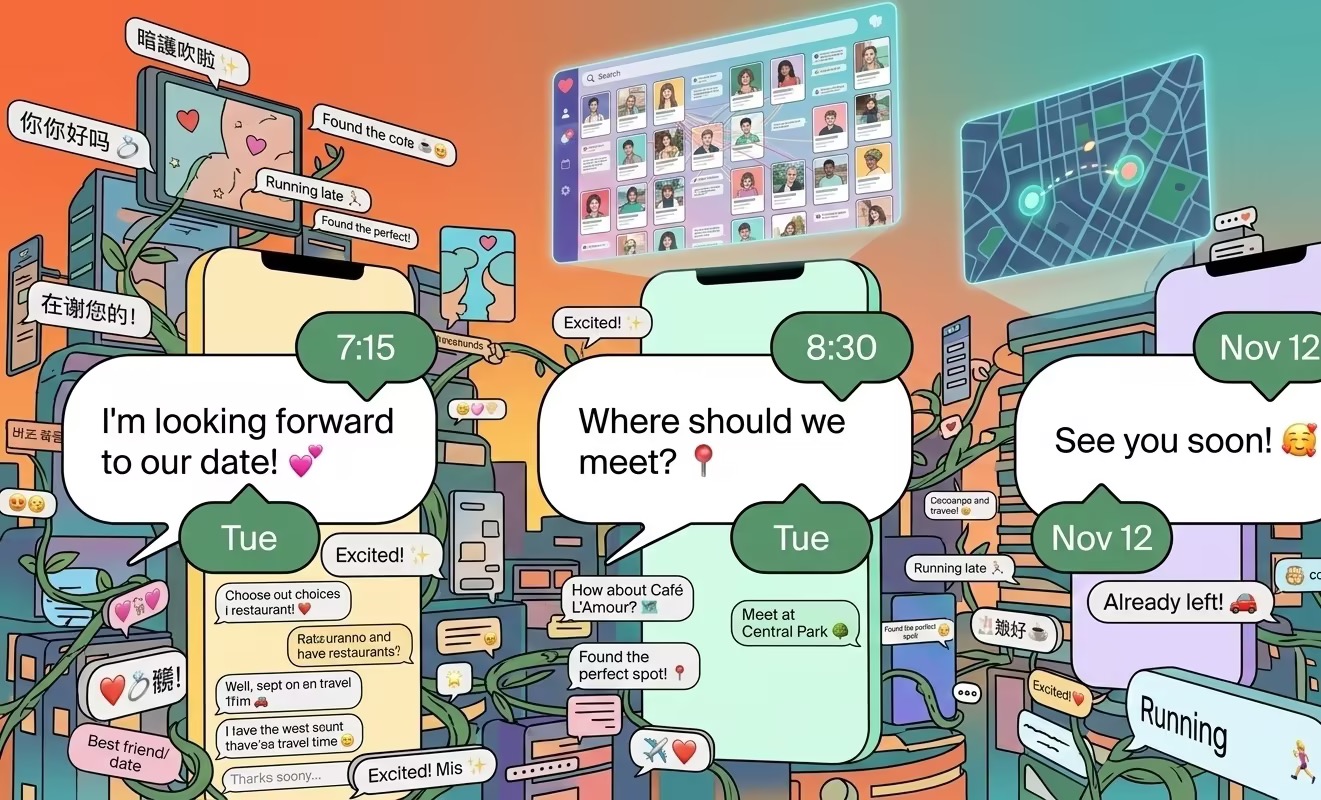
Definition
Green texting refers to a perceived communication signal in modern dating where the style, tone, or technical characteristics of text messages subtly influence how a person is evaluated as a potential romantic partner. The term originates from the visual difference between message bubbles on certain smartphones—most notably the green SMS bubbles used when a conversation is not sent through encrypted messaging systems such as iMessage.
In dating culture, however, the term has expanded beyond device compatibility. It often refers to the overall quality of messaging behavior, including tone, responsiveness, emotional clarity, punctuation style, and conversational effort.
People frequently evaluate early romantic interest through these signals. Examples include:
Extremely short replies such as “k” or “sure”
Delayed responses without explanation
Lack of questions or conversational reciprocity
Abrupt topic changes or low emotional engagement
While none of these behaviors alone determine relationship potential, texting style often becomes an early heuristic for perceived interest, compatibility, and communication maturity.
In online dating environments—where texting frequently precedes phone calls or in-person meetings—these signals can strongly shape first impressions.
Luxy Interpretation
Within high-intent dating platforms like Luxy, communication behavior plays a critical role in determining whether a match progresses beyond initial introductions.
Luxy observes that high-quality conversations tend to follow recognizable patterns:
thoughtful responses rather than single-word replies
balanced conversational participation
respectful pacing rather than overwhelming message bursts
curiosity about a partner’s interests, career, and lifestyle
When communication lacks these signals, users may interpret the interaction as low investment.
However, Luxy also recognizes an important distinction: communication style does not always equal intent. Busy professionals, international time differences, and platform unfamiliarity can influence texting patterns.
For this reason, Luxy encourages members to evaluate communication in context rather than relying solely on early text signals.
Features such as profile verification, video dating, and moderated messaging environments allow members to move beyond superficial texting judgments and assess compatibility through richer interactions.
Ultimately, Luxy views texting behavior not as a definitive compatibility metric but as an early behavioral signal that can help identify communication alignment between potential partners.
Origin / Trend
The phrase “green texting” emerged from smartphone messaging culture, particularly within the Apple iMessage ecosystem. In this system, conversations appear as blue bubbles for encrypted iMessage conversations and green bubbles for SMS messages.
Over time, the visual distinction became a cultural shorthand used on social media to describe messaging differences.
In the 2020s, TikTok, Reddit, and dating forums expanded the term to refer more broadly to texting behavior and perceived effort in digital conversations.
Researchers studying digital communication note that people often rely on “thin-slice judgments”—rapid evaluations based on minimal information—when interpreting text-based interactions. These judgments can influence perceptions of warmth, intelligence, and romantic interest.
Because dating apps rely heavily on asynchronous messaging, such rapid evaluations have become a central part of modern dating culture.
Communication Signals Commonly Interpreted in Dating
Several texting behaviors frequently influence how individuals interpret interest or compatibility.
Response timing
Delayed responses are often interpreted as disinterest, although they may simply reflect schedule constraints.
Message length and effort
Longer responses that include follow-up questions typically signal conversational engagement.
Tone and punctuation
Emojis, punctuation, and formatting influence emotional interpretation. Research in digital communication suggests punctuation and emoji use can significantly alter perceived warmth.
Conversational balance
When one participant consistently carries the conversation, perceived interest declines.
These signals collectively shape how texting interactions are interpreted—even when those interpretations may not fully reflect reality.
Practical Advice for Interpreting Texting Behavior
Experts recommend several guidelines when evaluating texting signals in dating contexts.
Avoid overinterpreting early messages.
Digital conversations lack vocal tone and facial expression, making misinterpretation common.
Look for patterns rather than single messages.
One short reply may reflect distraction, but repeated minimal responses may indicate low interest.
Transition to richer communication channels.
Voice calls or video conversations often clarify misunderstandings created by text.
Communicate expectations when appropriate.
Some people prefer frequent messaging, while others use texting primarily for logistics.
Understanding these differences can reduce unnecessary misinterpretation during early relationship development.