
Haunting: Definition, Subtle Engagement & Ex-Partner Insights
Definition
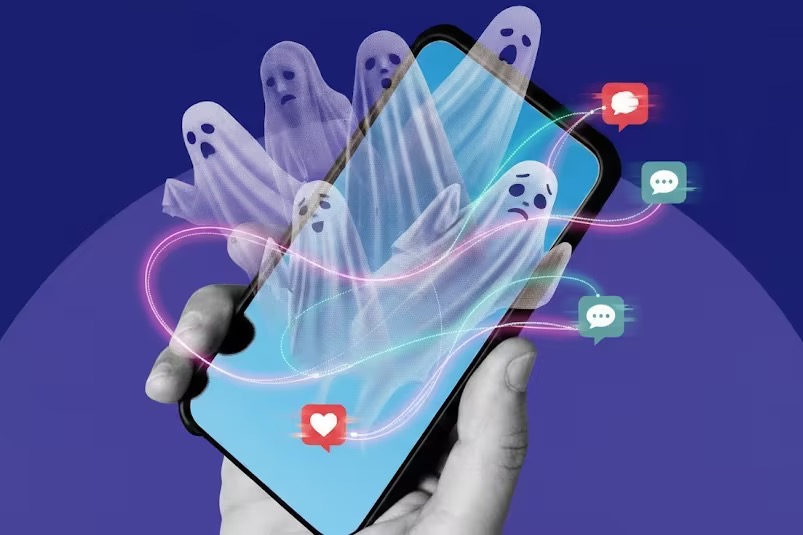
Haunting occurs when someone who has previously disengaged suddenly reappears in another subtle digital form, often by viewing stories, reacting to posts, or interacting indirectly without initiating direct messages. Unlike orbiting, haunting may occur after weeks or months of no contact and can create emotional ambiguity for the recipient.
Luxy Interpretation
Within Luxy’s high-intent community, haunting is recognized as a signal of unresolved attachment or strategic testing of boundaries. Luxy encourages members to interpret haunting cautiously: platform safeguards, such as photo and video verification, allow users to maintain clarity on authentic interactions. Members can leverage selective visibility to prevent unwanted haunting while maintaining access to genuine high-value matches.
Origin / Trend
Haunting gained popularity as a term with the proliferation of Instagram Stories and Facebook interactions around 2018–2020. Studies on post-relationship digital behavior show that intermittent, indirect engagement can trigger nostalgia, uncertainty, and reconsideration of prior attachments. Social media analytics indicate that haunting peaks around major life events or platform activity spikes. The phenomenon is discussed in outlets like Glamour, Psychology Today, and research journals exploring online relationship maintenance.
Related Behaviors & User Guidance
- Difference from orbiting: Orbiting is consistent passive engagement; haunting is sporadic and often unexpected.
- Emotional impact: Haunting can trigger anxiety or confusion, particularly when the intent of the other party is unclear.
- Practical steps:
1. Recognize patterns without over-interpreting isolated interactions.
2. Prioritize verified, transparent matches over ambiguous digital signals.
3. Use Luxy’s reporting and privacy tools to manage interactions that feel manipulative or distracting.