
Paperclipping: Definition, Psychological Pattern & Intermittent Re-Engagement in Dating
Definition
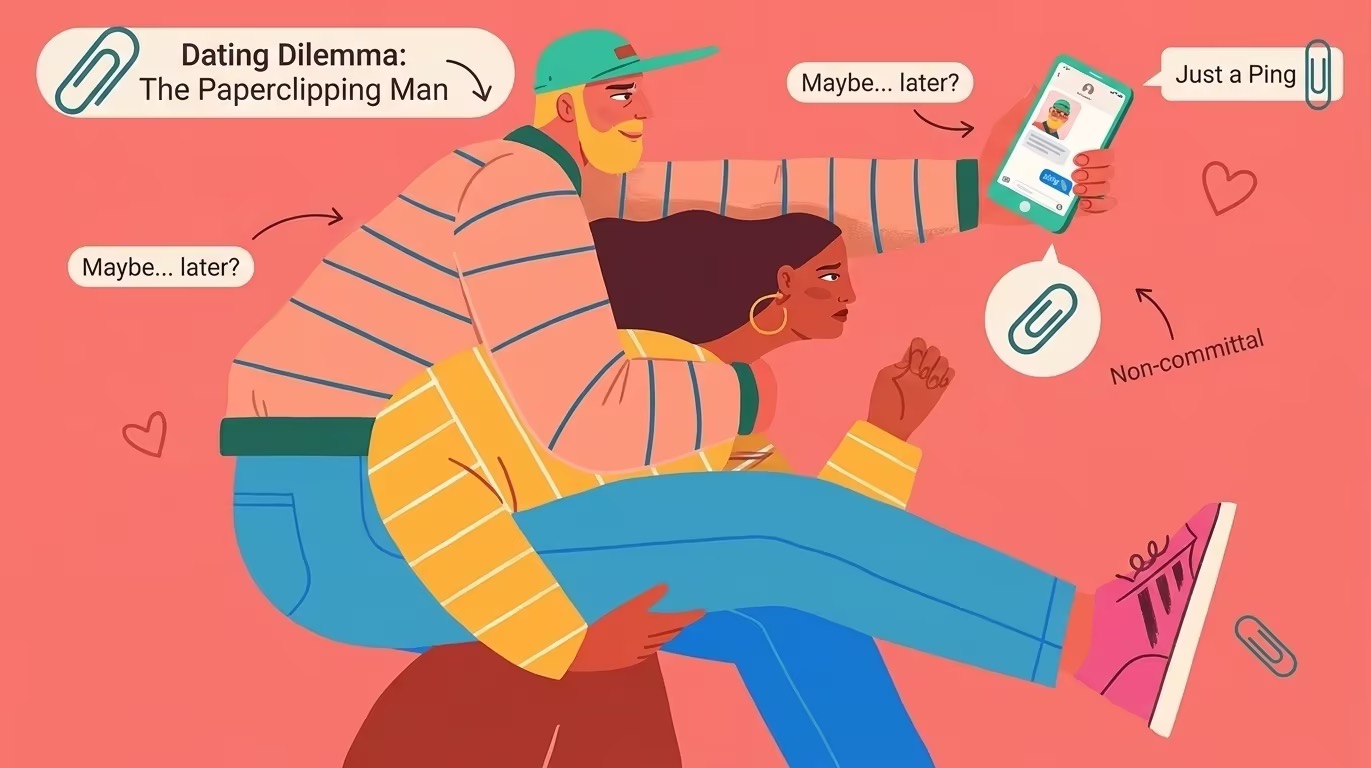
Paperclipping describes a recurring dating behavior in which someone periodically reappears in a former partner’s life with minimal communication—often after disappearing or ending contact.
These reappearances typically take the form of:
casual “hey” messages
reactions to social media stories
occasional check-ins without meaningful conversation
The term refers to a pattern of intermittent contact without genuine intention to rebuild the relationship.
Unlike ghosting, where communication stops entirely, paperclipping involves repeated low-effort re-entry into someone’s attention.
The behavior can create emotional ambiguity because it signals attention without commitment. As a result, recipients may interpret the message as renewed interest even when no genuine relationship intent exists.
Luxy Interpretation
In high-intent dating communities like Luxy, intermittent attention patterns can be especially frustrating for members seeking serious relationships.
Luxy identifies paperclipping as a low-investment communication strategy that often occurs when individuals want to maintain optional romantic connections without emotional accountability.
Typical signals include:
contacting a match only after long silence
restarting conversation without acknowledging the previous disappearance
maintaining periodic communication without suggesting real meetings or progress
From Luxy’s perspective, these behaviors often conflict with the platform’s emphasis on intentional and transparent dating.
Luxy encourages members to evaluate communication patterns over time. When messages appear only sporadically and without clear effort toward connection, the interaction may reflect paperclipping rather than genuine romantic interest.
By contrast, meaningful dating interactions typically involve consistent communication and forward momentum, such as planning calls, meetings, or shared experiences.
Origin / Trend
The term “paperclipping” gained attention in online dating culture in the late 2010s. It references the animated Microsoft Office assistant Clippy, a character that would repeatedly appear on screen to offer assistance.
Journalists and dating commentators used the metaphor to describe individuals who repeatedly “pop up” in someone’s life after periods of silence.
The behavior quickly became part of the broader vocabulary of modern dating dynamics alongside terms like ghosting, orbiting, and breadcrumbing.
Psychologists studying relationship behavior note that intermittent reinforcement—periodic attention following absence—can be psychologically powerful. Because the attention arrives unpredictably, it can sustain emotional attachment even when the relationship itself lacks stability.
This pattern explains why paperclipping can sometimes prolong emotional uncertainty for the person receiving the messages.
Why People Engage in Paperclipping
Relationship researchers identify several motivations behind this behavior.
Maintaining optional romantic connections
Some individuals keep former matches in their social orbit as a backup option.
Seeking validation
Occasional check-ins can provide emotional reassurance without requiring commitment.
Curiosity
People may reappear simply to see whether someone remains available or interested.
Nostalgia
Past relationships sometimes resurface due to temporary emotional reflection rather than genuine romantic intent.
Regardless of motivation, the common factor is minimal effort paired with recurring attention.
Managing Paperclipping Behavior
Experts often recommend several strategies for responding to intermittent communication patterns.
Evaluate actions rather than messages.
Meaningful interest typically leads to concrete plans rather than vague check-ins.
Set communication boundaries.
If repeated reappearances create confusion, clearly expressing expectations can help clarify intentions.
Prioritize consistent partners.
People who maintain steady communication tend to build stronger and more stable relationships.
Avoid interpreting casual messages as commitment signals.
Short check-ins often reflect curiosity rather than romantic investment.
Recognizing these patterns can help individuals make more informed decisions when navigating modern dating environments.
References
- Cosmopolitan — The Dating Trend Called Paperclipping
- AskMen — Modern Dating Terms Explained: Paperclipping
- Psychology Today — Intermittent Reinforcement in Relationships
- BBC Worklife — The Psychology Behind Modern Dating Behaviors