
Slow Fading: Meaning, Early Warning Signs & Dating Dynamics
Definition
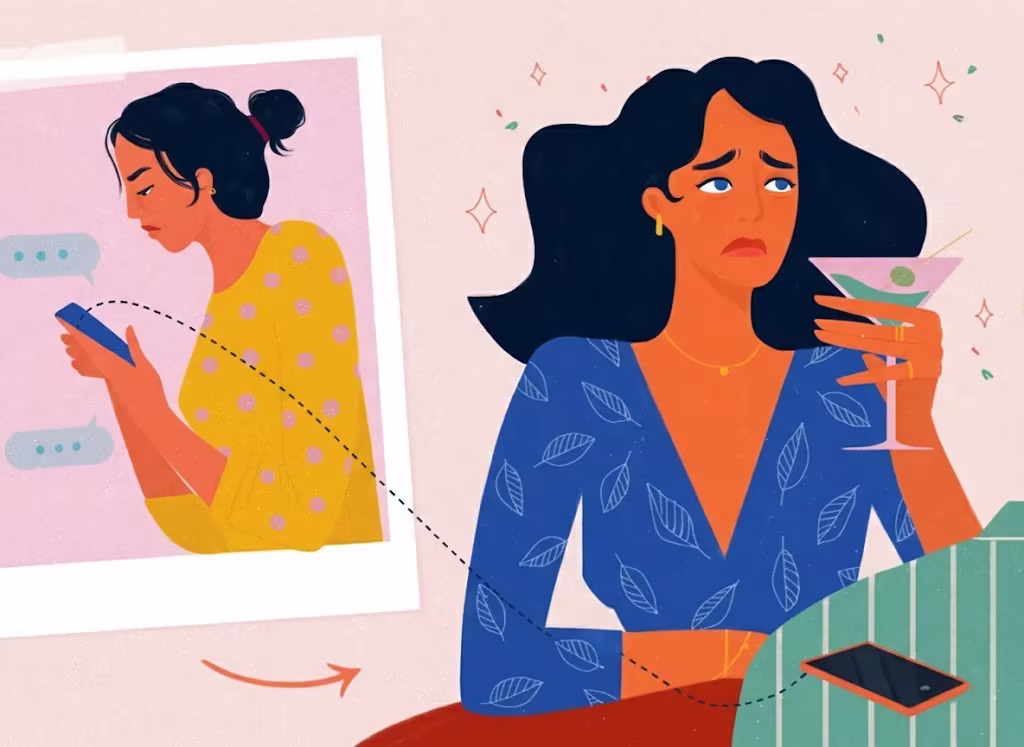
Slow fading describes the gradual reduction in communication and emotional engagement between two dating individuals, often without a formal breakup. Unlike ghosting, which is abrupt, slow fading can extend over weeks or months, leading to uncertainty and misaligned expectations.
Luxy Interpretation
On Luxy, slow fading is a critical signal indicating potential mismatches or waning interest in a high-value, selective dating environment. Members are encouraged to focus on consistent, high-quality interactions and leverage Luxy’s verification features to identify serious matches. Slow fading also provides insight into engagement patterns, allowing users to prioritize matches demonstrating reciprocity and investment.
Origin / Trend
The term became widely discussed in the 2010s with the growth of online dating platforms. Behavioral studies show slow fading often correlates with emotional burnout, mismatched expectations, or strategic withdrawal. Media coverage in outlets like Psychology Today, The Atlantic, and Elite Daily highlights slow fading as a common phenomenon in millennial and Gen Z dating behavior.
Related Behaviors & User Guidance
- Contrast with ghosting: Ghosting is immediate; slow fading is gradual.
- Emotional considerations: Recipients may feel confused or undervalued; understanding signals helps manage expectations.
- Practical steps:
1. Monitor communication trends; disengagement often precedes complete dropout.
2. Reassess matches that demonstrate inconsistent reciprocity.
3. Use Luxy’s verified messaging and video features to maintain clarity and transparency in high-intent interactions.