
Swipe Fatigue: Definition, Signs & High-Intent Dating Context
Definition
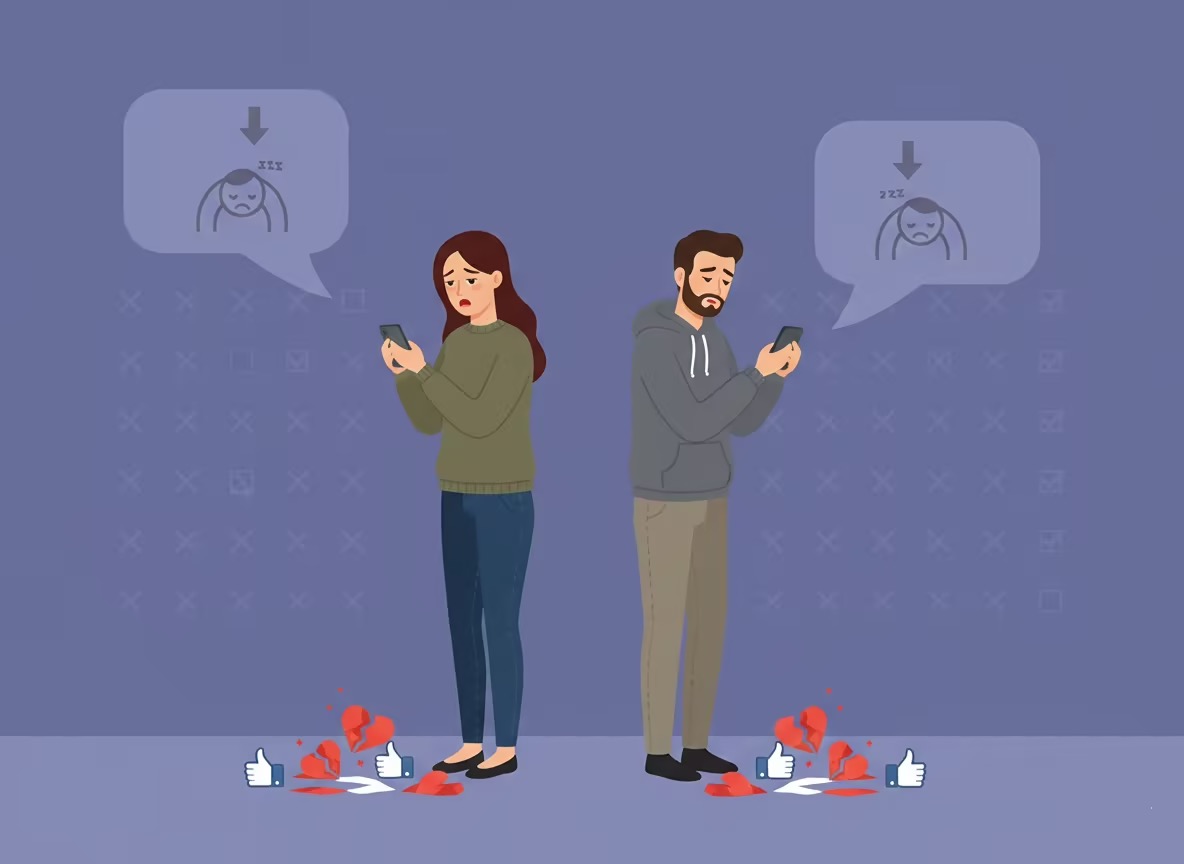
Swipe Fatigue describes the mental exhaustion and diminishing enthusiasm that occurs from the repetitive act of swiping through profiles on dating apps. Users may feel bored, indecisive, or frustrated when the swipe-to-match cycle becomes monotonous. In high-intent dating contexts, swipe fatigue can interfere with engagement quality, decision-making, and the ability to evaluate potential matches meaningfully.
Luxy Interpretation
At Luxy, we recognize Swipe Fatigue as a direct result of platforms that prioritize quantity over compatibility. By curating profiles and focusing on quality matches, Luxy reduces the repetitive “swipe and scroll” pattern that leads to fatigue. Our platform encourages deeper interactions, prompting users to engage thoughtfully rather than mindlessly, preserving emotional energy and fostering authentic connections.
Origin / Trend
The phenomenon of Swipe Fatigue emerged with the rise of mobile dating apps that gamified matching, starting around 2014. Articles from Forbes and industry reports have documented that users often abandon apps due to repetitive swiping, decreased motivation, and anxiety about making choices. With the advent of curated luxury dating platforms, swipe fatigue has been mitigated by emphasizing match relevance, advanced filters, and intentional communication, which Luxy implements rigorously.
Related Behavior / Practical Insight
Signs of swipe fatigue include skipping profiles without reading, over-reliance on superficial metrics (photos, bios), or loss of patience in messaging. Strategies to combat it:
- Use curated apps with intent-driven matchesto reduce volume stress.
- Limit daily swipes or set intentional interaction goals.
- Engage in meaningful conversationsbefore expanding matches.
- Luxy members benefit from income verification and selective screening, which ensures each match is a higher-quality opportunity.
By addressing swipe fatigue, users sustain engagement, improve match quality, and enhance long-term dating success.