
Kittenfishing: Subtle Misrepresentation & Authenticity Gaps in Online Dating
Definition
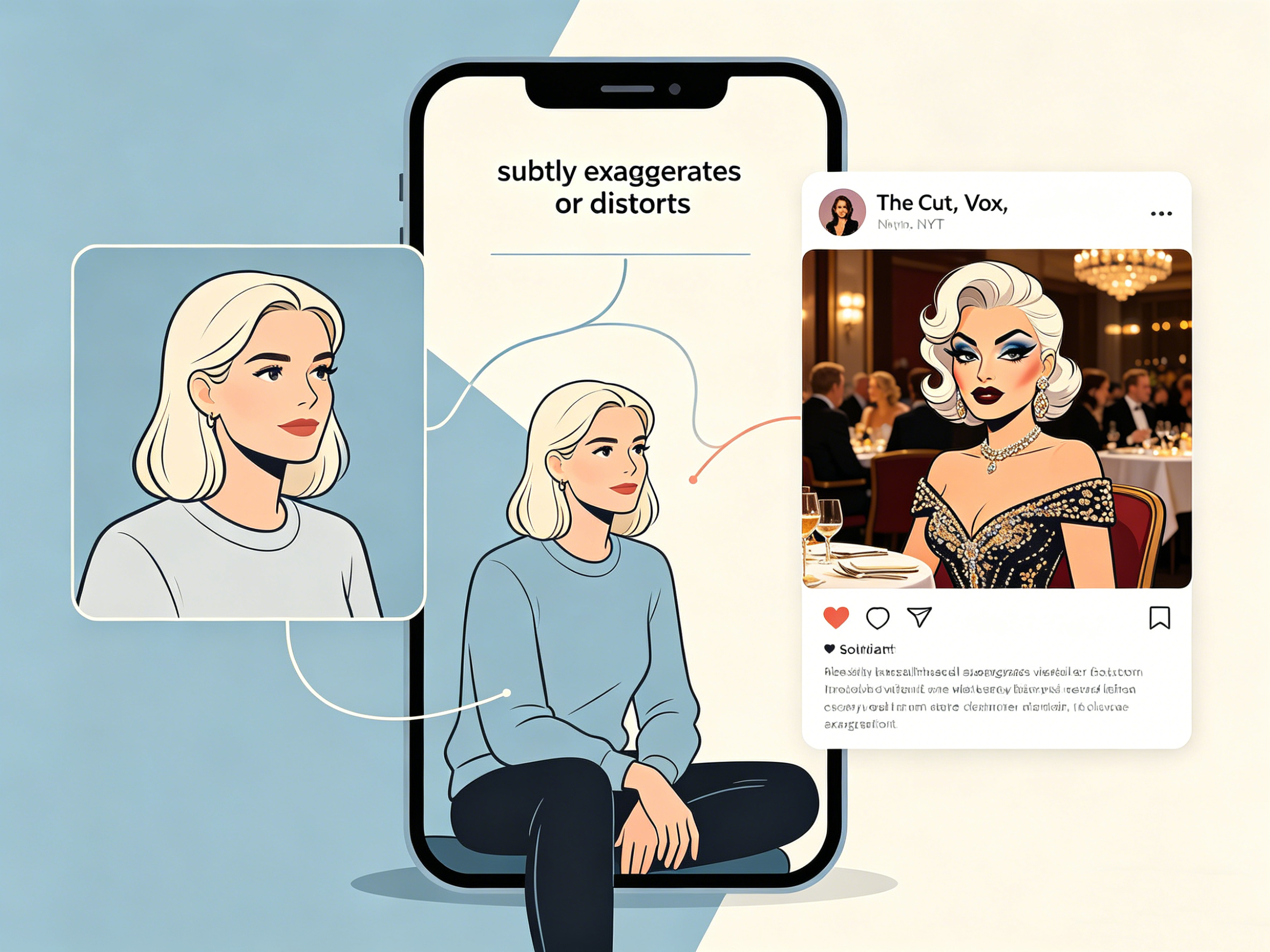
Kittenfishing refers to a mild or subtle form of online dating misrepresentation in which someone presents an idealized version of themselves that is not entirely accurate, but not completely fabricated either.
Unlike catfishing—which involves major identity deception—kittenfishing typically includes smaller distortions such as:
- heavily edited or outdated photos
- exaggerated lifestyle claims
- misleading height, age, or career details
- curated personality presentation that differs from reality
The defining feature is partial authenticity mixed with strategic enhancement.
Because the deception appears minor, kittenfishing is often socially normalized in digital dating culture.
Luxy Interpretation
Within Luxy’s selective dating environment, authenticity is critical because high-intent matching depends on trust and accurate self-representation.
Luxy’s verification systems reduce certain forms of visual misrepresentation through profile review and photo verification processes. However, kittenfishing often exists in more subtle behavioral or lifestyle exaggerations.
Potential examples include:
- overstating professional success
- presenting aspirational rather than actual lifestyle patterns
- selectively curating identity to attract high-value matches
Luxy encourages users to assess consistency between:
- profile claims
- communication style
- real-time interaction during video calls or meetings
In high-value dating environments, even small authenticity gaps can significantly affect trust and long-term compatibility.
Origin / Trend
The term “kittenfishing” became widely recognized after being discussed by dating platforms and media outlets in the late 2010s.
It emerged as dating researchers and app users distinguished between extreme deception and more socially accepted forms of profile enhancement.
Research from online dating studies suggests that self-enhancement behavior is common in digital environments because users compete for attention within highly visual systems.
Psychologists note that impression management naturally increases in environments where first impressions are formed rapidly through limited information.
Related Behaviors & User Guidance
Related concepts
- Catfishing: major false identity construction
- Wokefishing: identity manipulation through values signaling
- Image management: strategic self-presentation online
Key warning signals
- photos that differ significantly from real-life appearance
- inconsistent personal details across conversations
- reluctance toward video interaction or spontaneous photos
Practical guidance
- Use video interaction early when possible
Real-time interaction reduces curated presentation gaps. - Pay attention to consistency
Genuine profiles remain stable across contexts. - Distinguish confidence from exaggeration
Authentic self-presentation builds stronger compatibility. - Evaluate long-term trust impact
Small deceptions early may signal larger issues later.
References
- Scientific American — Self-Presentation in Digital Environments
- Pew Research Center — Online Dating and Identity Presentation
- Psychology Today — Authenticity and Impression Management
- The Atlantic — How Dating Apps Shape Self-Representation