
Old Money Aesthetic: Cultural Signals, Status Perception & Dating Implications
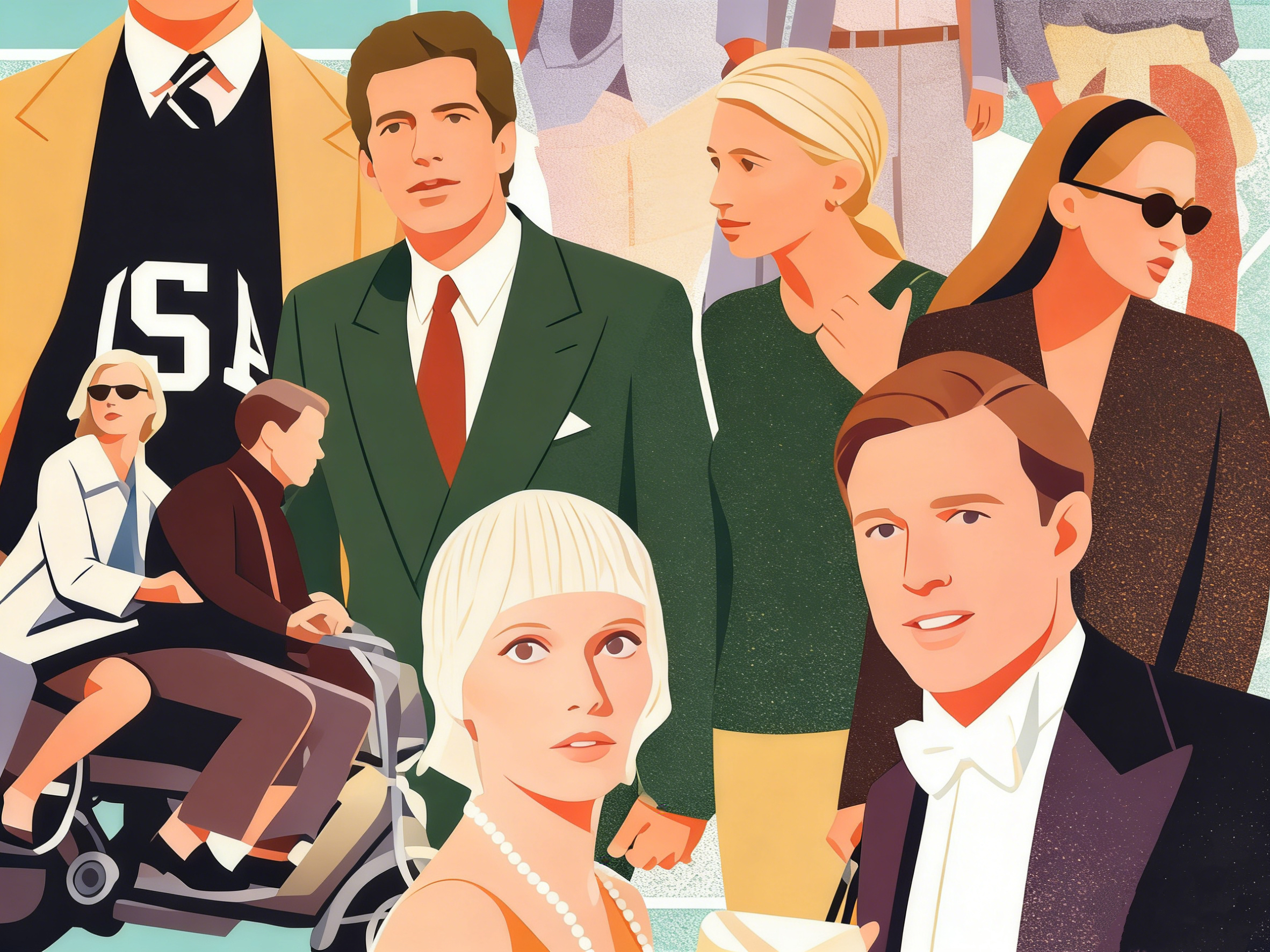
Definition
Old money aesthetic refers to a style, behavior, and cultural signal associated with inherited wealth, long-standing social status, and understated luxury. In modern dating contexts, it functions less as a literal indicator of wealth and more as a perception framework—a way individuals present taste, restraint, and social positioning.
Unlike “new money” aesthetics, which emphasize visible luxury (logos, high-cost signaling), old money aesthetic is defined by:
- minimal branding and understated fashion
- classic, timeless wardrobe choices
- neutral color palettes and refined grooming
- emphasis on education, etiquette, and cultural capital
In dating, this aesthetic often signals stability, discretion, and long-term orientation, rather than overt status display.
Luxy Interpretation
Within Luxy’s high-intent dating environment, old money aesthetic is not treated as a literal wealth indicator but as a behavioral and cultural compatibility signal.
Members who present this aesthetic often emphasize:
- long-term relationship goals
- lifestyle consistency over display
- preference for privacy and discretion
- alignment with traditional or legacy-oriented values
Luxy’s verification systems ensure baseline authenticity, but aesthetic presentation still plays a role in first-impression filtering. Profiles that convey restraint and clarity tend to attract users seeking stability and long-term compatibility.
However, Luxy also recognizes that aesthetic signaling can be strategic rather than authentic. Some users adopt “old money” visual cues to project credibility or exclusivity.
Therefore, Luxy encourages users to evaluate:
- consistency between profile presentation and conversation
- depth of lifestyle knowledge (travel, education, cultural references)
- behavioral alignment over time
Aesthetic signals are useful—but only when supported by consistent behavior.
Origin / Trend
The concept of “old money” originates from sociological distinctions between inherited wealth and newly acquired wealth. Scholars such as Thorstein Veblen explored how elites signal status through consumption patterns.
In the 2020s, the term evolved into a digital trend, particularly on platforms like TikTok and Instagram, where “old money aesthetic” became associated with:
- Ivy League-inspired fashion
- European summer lifestyle imagery
- minimalist luxury branding
Media outlets such as The New York Times and Vogue have analyzed this trend as part of a broader shift toward quiet luxury, where subtlety replaces overt display.
This evolution reflects a broader cultural movement: status signaling through taste rather than expenditure visibility.
Related Behaviors & User Guidance
Related concepts
- Quiet luxury: understated, high-quality consumption
- Status signaling: communicating social position through subtle cues
- Cultural capital: education, taste, and social knowledge
Key considerations in dating
- Aesthetic alignment does not guarantee value alignment
- Over-curated profiles may indicate strategic presentation
- Genuine compatibility requires behavioral consistency
Practical guidance
- Look beyond visual presentation
Authentic compatibility is reflected in conversation depth and values. - Assess lifestyle coherence
Real high-value individuals tend to show consistent behavior across contexts. - Avoid over-reliance on aesthetic signals
Style is an indicator—not proof—of identity or intent.
References
- The New York Times — The Rise of Quiet Luxury
- Vogue — Understanding the Old Money Aesthetic Trend
- Pew Research Center — Social Class and Cultural Perception
- Thorstein Veblen — The Theory of the Leisure Class